The Institute of Economic Affairs (IEA), Ghana, has released findings from its latest Socioeconomic Poll examining public perceptions of the Double-Track System and the Government’s proposal to expand Senior High School infrastructure.
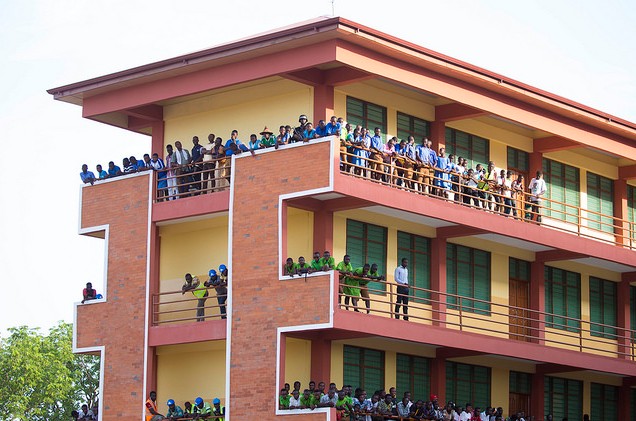
The Double-Track System was introduced in 2018 following the rapid expansion in enrolment associated with the implementation of the Free Senior High School policy. The arrangement divided students into groups that attended school at different periods, allowing existing facilities to accommodate significantly larger numbers of students despite infrastructure constraints.
While the system helped broaden access to secondary education, the latest IEA poll indicates considerable public concern about its effect on educational quality.
Nearly 65% Say Education Quality Has Declined
The nationwide poll surveyed 1,062 respondents across all 16 regions of Ghana. Of those surveyed, 64.7% said the Double-Track System had negatively affected the quality of SHS education.
Only 20.2% believed the system had improved education quality, while 14.7% said it had made no difference.
The findings suggest that although the Double-Track System helped Government respond to the significant increase in SHS enrolment, many Ghanaians believe that increased access has been accompanied by challenges affecting the quality of education.
Majority Support Borrowing to Build More Schools
The poll also examined public attitudes towards the Government’s intention to borrow funds to expand SHS infrastructure and ultimately eliminate the Double-Track System.
A majority, 54.3% of respondents, said they supported borrowing to construct additional schools, while 38.4% opposed the proposal and 6.2% expressed no opinion.
The level of support suggests that many Ghanaians regard the country’s existing infrastructure deficit as an important constraint on the effective implementation of Free SHS.
Pressure on classrooms and other educational facilities remains an important concern as increased enrolment continues to place demands on the existing SHS infrastructure. According to the poll, expanding infrastructure is therefore viewed by a significant proportion of respondents as one pathway towards addressing the capacity challenges associated with Free SHS.
Concern About Quality Drives Support for More Infrastructure
Support for additional school infrastructure is even stronger among respondents who believe the Double-Track System has reduced the quality of SHS education.
Among this group, 60.8% support Government borrowing to build additional SHS infrastructure. The result suggests a strong connection in the minds of many respondents between inadequate infrastructure and concerns about the quality of secondary education.
However, the findings also reveal substantial concern about the fiscal consequences of further borrowing. A significant proportion of respondents oppose additional borrowing because of Ghana’s existing public debt burden. The poll therefore points to the need to balance investment in educational infrastructure with the country’s wider fiscal constraints.
Infrastructure Expansion, but With Fiscal Prudence
The findings present Government with an important policy challenge. There appears to be considerable public support for expanding SHS infrastructure and moving away from the Double-Track System, but this support does not amount to an unrestricted endorsement of additional public debt.
Respondents who oppose borrowing would prefer Government to consider alternative approaches to financing additional school infrastructure rather than adding further pressure to the public finances.
The results therefore underline the importance of developing a sustainable financing strategy for expanding Ghana’s secondary education infrastructure.
Key Findings
64.7% believe the Double-Track System has negatively affected the quality of SHS education.
20.2% believe it has improved education quality.
54.3% support Government borrowing to construct additional schools and eliminate the Double-Track System.
38.4% oppose additional borrowing.
Among respondents who believe education quality has declined under Double-Track, 60.8% support borrowing to expand SHS infrastructure.
The findings ultimately reveal a public preference for expanding SHS infrastructure and addressing the shortcomings associated with the Double-Track System, while also highlighting the importance of carefully managing the fiscal implications of any large-scale infrastructure programme.
Source: IEA Socioeconomic Poll, August 2026.